Soldering a 2.54mm pitch component is a fundamental skill in electronics manufacturing and prototyping. As a 2.54mm pitch component supplier, I’ve witnessed firsthand the importance of proper soldering techniques. In this blog, I’ll share my insights on how to solder 2.54mm pitch components effectively, ensuring reliable connections and high – quality results. 2.54mm Pitch
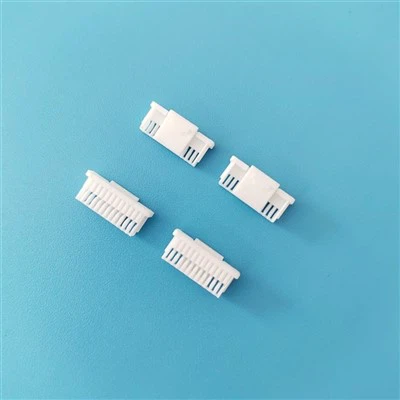
Understanding 2.54mm Pitch Components
Before we dive into the soldering process, it’s crucial to understand what 2.54mm pitch components are. The term "pitch" refers to the distance between the centers of adjacent pins on a component. A 2.54mm pitch is a standard spacing commonly used in electronic components such as headers, connectors, and some integrated circuits. This standardization makes it easier to design and assemble printed circuit boards (PCBs) since many off – the – shelf components adhere to this pitch.
Tools and Materials Needed
To solder 2.54mm pitch components successfully, you’ll need the following tools and materials:
- Soldering Iron: A good quality soldering iron with a fine tip is essential. The temperature of the soldering iron should be adjustable, typically set between 300 – 350°C for lead – based solder and 350 – 400°C for lead – free solder.
- Solder: Choose the appropriate solder for your application. Lead – based solder (e.g., 60/40 or 63/37) is easier to work with and has a lower melting point. Lead – free solder, on the other hand, is more environmentally friendly but requires a higher soldering temperature.
- Flux: Flux helps to clean the metal surfaces and promote better solder flow. You can use liquid flux or flux – core solder.
- PCB: A printed circuit board with the appropriate footprint for the 2.54mm pitch component. Make sure the PCB is clean and free of any debris or oxidation.
- Component: The 2.54mm pitch component you want to solder, such as a header or a connector.
- Desoldering Tool: In case you make a mistake, a desoldering pump or a desoldering wick can be used to remove the solder.
- Tweezers: To hold the component in place during soldering.
- Magnifying Glass: This can be very helpful, especially when soldering small components or when you need to inspect the solder joints closely.
Preparing for Soldering
- Clean the PCB and Component: Use isopropyl alcohol and a soft brush to clean the PCB pads and the leads of the component. This will remove any dirt, grease, or oxidation that could prevent good solder adhesion.
- Inspect the Component and PCB: Check the component for any bent or damaged leads. Also, ensure that the PCB footprint matches the component’s pin layout.
- Set Up Your Workspace: Find a well – ventilated area to work in. Place your soldering iron on a heat – resistant stand and have all your tools and materials within easy reach.
Soldering Process
- Apply Flux: If you’re using non – flux – core solder, apply a small amount of flux to the PCB pads. Flux helps to remove oxidation and improve solder flow.
- Position the Component: Use tweezers to place the 2.54mm pitch component on the PCB, aligning the leads with the pads. Make sure the component is seated properly and is not tilted.
- Tack Solder: Heat the soldering iron tip and touch it to one of the component’s leads and the corresponding PCB pad simultaneously. Once the pad and lead are hot enough, apply a small amount of solder. The solder should flow smoothly and form a good connection between the lead and the pad. Repeat this process for another lead on the opposite side of the component to hold it in place.
- Solder the Remaining Leads: Starting from one end of the component, heat each lead and the corresponding pad with the soldering iron. As the pad and lead reach the appropriate temperature, feed a small amount of solder onto the joint. The solder should flow around the lead and form a smooth, shiny fillet. Make sure not to apply too much solder, as this can cause bridging between adjacent leads.
- Inspect the Solder Joints: After soldering all the leads, use a magnifying glass to inspect the solder joints. A good solder joint should be shiny, have a smooth fillet, and be free of cracks or voids. If you notice any issues, such as bridging or cold solder joints, you can use a desoldering tool to remove the excess solder and re – solder the joint.
Troubleshooting
- Bridging: This occurs when solder connects two adjacent leads. To fix this, use a desoldering tool to remove the excess solder. You can also use a solder wick to absorb the extra solder.
- Cold Solder Joints: Cold solder joints are caused by insufficient heat or improper soldering technique. They appear dull and may have a rough surface. To fix a cold solder joint, re – heat the joint with the soldering iron and add a small amount of solder.
- Lifted Pads: If a pad on the PCB is lifted during soldering, it can be a serious issue. You may need to repair the PCB or replace it if the damage is extensive. To prevent lifted pads, make sure not to apply too much heat or force when soldering.
Importance of Proper Soldering
Proper soldering of 2.54mm pitch components is crucial for the functionality and reliability of electronic devices. A well – soldered joint ensures good electrical conductivity, mechanical stability, and resistance to environmental factors such as vibration and temperature changes. Poor soldering can lead to intermittent connections, short circuits, and device failure.
Quality Assurance

As a 2.54mm pitch component supplier, we understand the importance of quality. Our components are manufactured to strict standards to ensure consistent performance. When you purchase from us, you can be confident that you’re getting high – quality components that are suitable for soldering. We also offer technical support to help you with any soldering – related issues.
Why Choose Our 2.54mm Pitch Components
- High – Quality Materials: We use high – quality materials in the manufacturing of our 2.54mm pitch components, ensuring durability and reliability.
- Precision Manufacturing: Our components are manufactured with high precision, ensuring accurate pitch and lead alignment.
- Wide Range of Products: We offer a wide range of 2.54mm pitch components, including headers, connectors, and other related products.
- Competitive Pricing: We strive to offer our products at competitive prices without compromising on quality.
Contact Us for Purchasing
0.80mm Pitch If you’re interested in purchasing our 2.54mm pitch components, we’d love to hear from you. Whether you’re a small electronics hobbyist or a large – scale manufacturer, we can provide you with the components you need. Our team of experts is ready to assist you with any questions you may have about our products or the soldering process. Please reach out to us to start a discussion about your specific requirements.
References
- "Electronics Manufacturing Handbook" by John Doe
- "Soldering Techniques for Beginners" by Jane Smith
- "Guide to Printed Circuit Board Assembly" by Mark Johnson
Dongguan Yinglian Electronics Co., Ltd.
We’re well-known as one of the most professional 2.54mm pitch suppliers in China. With abundant experience, we warmly welcome you to buy bulk advanced 2.54mm pitch made in China here from our factory. If you have any enquiry about cooperation, please feel free to email us.
Address:
E-mail: James@csg-china.com
WebSite: https://www.csgconn.com/
