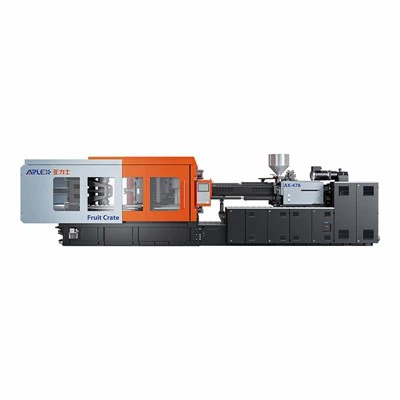
As a supplier of plastic injection moulding machines, I’ve been frequently asked about the energy consumption of these machines. It’s a crucial topic, not only for cost – effectiveness but also for environmental considerations. In this blog, I’ll delve into the factors that influence the energy consumption of plastic injection moulding machines and provide some insights on how to optimize it. Plastic Injection Moulding Machine
Understanding the Basics of Energy Consumption in Plastic Injection Moulding Machines
Plastic injection moulding machines operate through a series of processes, each of which consumes a certain amount of energy. The main energy – consuming components include the motor, heater, and hydraulic system.
The motor is responsible for driving the screw that melts and injects the plastic into the mould. The power of the motor can vary significantly depending on the size and capacity of the machine. Larger machines typically require more powerful motors, which in turn consume more energy. For example, a small – scale injection moulding machine might have a motor power of around 5 – 10 kilowatts, while a large – scale industrial machine could have a motor power of 50 kilowatts or more.
The heater is used to melt the plastic pellets. The amount of energy required to heat the plastic depends on the type of plastic being used. Different plastics have different melting points. For instance, polyethylene has a relatively low melting point of around 110 – 130°C, while polycarbonate has a much higher melting point of around 220 – 260°C. Heating the plastic to its melting point consumes a substantial amount of energy, and maintaining the correct temperature throughout the injection process is also energy – intensive.
The hydraulic system is used to provide the force needed to close the mould and inject the plastic. Hydraulic pumps require energy to operate, and the efficiency of the hydraulic system can have a significant impact on overall energy consumption. Older hydraulic systems tend to be less efficient, as they often operate at a constant speed, even when less power is required.
Factors Affecting Energy Consumption
Machine Size and Capacity
As mentioned earlier, larger machines generally consume more energy. This is because they need more power to drive the larger screws, heat larger amounts of plastic, and operate the hydraulic system. However, it’s important to note that the energy consumption per unit of production may not always be higher for larger machines. In some cases, larger machines can be more efficient in high – volume production, as they can produce more parts in a shorter period of time.
Plastic Material
Different plastic materials have different energy requirements. As stated above, plastics with higher melting points require more energy to heat. Additionally, some plastics may require special additives or processing conditions that can increase energy consumption. For example, some engineering plastics may need to be dried before processing, which requires additional energy for the drying process.
Production Cycle Time
The production cycle time, which includes the time for plastic melting, injection, cooling, and ejection, also affects energy consumption. A longer cycle time means that the machine is operating for a longer period, consuming more energy. Optimizing the production cycle time can significantly reduce energy consumption. This can be achieved through proper machine setup, such as adjusting the injection speed, pressure, and cooling time.
Machine Efficiency
The efficiency of the machine itself plays a crucial role in energy consumption. Modern injection moulding machines are designed to be more energy – efficient. For example, some machines use servo – motor technology instead of traditional hydraulic systems. Servo – motor – driven machines can adjust the power output according to the actual needs of the process, resulting in significant energy savings. Additionally, well – maintained machines are generally more energy – efficient, as worn – out components can cause the machine to consume more energy to perform the same tasks.
Measuring Energy Consumption
To accurately measure the energy consumption of a plastic injection moulding machine, several methods can be used. One common method is to use an energy meter. An energy meter can be installed at the main power supply of the machine to measure the total energy consumption over a certain period of time. This can provide a clear picture of how much energy the machine is using.
Another way is to calculate the energy consumption based on the power ratings of the individual components. By knowing the power of the motor, heater, and hydraulic system, and the time they are operating, the energy consumption can be estimated. However, this method may not be as accurate as using an energy meter, as it does not take into account factors such as inefficiencies in the components.
Strategies to Reduce Energy Consumption
Upgrade to Energy – Efficient Machines
As technology advances, new injection moulding machines are becoming more energy – efficient. Upgrading to a modern machine with servo – motor technology or other energy – saving features can significantly reduce energy consumption. These machines can adjust the power output according to the actual needs of the process, resulting in less energy waste.
Optimize the Production Process
Proper process optimization can also lead to energy savings. This includes adjusting the injection speed, pressure, and cooling time. For example, reducing the injection pressure can reduce the power required by the hydraulic system. Additionally, optimizing the cooling time can reduce the overall cycle time, which in turn reduces energy consumption.
Regular Maintenance
Regular maintenance of the machine is essential for energy efficiency. Worn – out components such as heaters, motors, and hydraulic pumps can cause the machine to consume more energy. By replacing these components in a timely manner and keeping the machine well – lubricated, the energy efficiency of the machine can be improved.
Use of Energy – Saving Technologies
There are several energy – saving technologies available for plastic injection moulding machines. For example, some machines use regenerative braking systems, which can recover energy during the deceleration process and reuse it. Additionally, using advanced control systems can help to optimize the energy consumption by adjusting the machine’s operation based on real – time data.
Conclusion

In conclusion, the energy consumption of a plastic injection moulding machine is influenced by several factors, including machine size, plastic material, production cycle time, and machine efficiency. By understanding these factors and implementing energy – saving strategies, it is possible to reduce the energy consumption of the machine, which not only saves costs but also contributes to environmental protection.
Fruit Crate Plastic Injection Moulding Machine If you’re interested in learning more about our plastic injection moulding machines and how they can help you optimize energy consumption, I encourage you to reach out to us. We’re more than happy to discuss your specific needs and provide you with detailed information on our products. Let’s work together to achieve efficient and sustainable plastic injection moulding production.
References
- Plastics Industry Association. "Energy Efficiency in Plastic Processing." Plastics Technology.
- Injection Moulding Handbook. Various authors.
Ningbo Yalishi (Arlex) Plastic Machinery Co., Ltd.
Ningbo Yalishi(Arlex) Plastic Machinery Co., Ltd. is one of the most reliable plastic injection moulding machine manufacturers and suppliers in China, featured by quality products and low price. Please rest assured to wholesale cheap plastic injection moulding machine made in China here from our factory. Customized orders are welcome.
Address: No.63, Huangsu East Road, Industrial Zone, Dongqian Lake Tourist Resort, Ningbo, Zhejiang Province
E-mail: leo@arlex.cn
WebSite: https://www.arleximm.com/
