Alright, folks! As a supplier of Plastic Corrugated Pipe Machines, I’ve seen my fair share of things in this industry. One of the most crucial aspects we need to focus on is safety. Operating these machines safely isn’t just about following rules; it’s about protecting yourself, your workers, and your business. So, let’s dive into how you can operate a Plastic Corrugated Pipe Machine safely. Plastic Corrugated Pipe Machine

Pre – operation Checks
Before you even think about firing up the machine, there are a bunch of pre – operation checks you gotta do. First off, take a good look at the machine’s overall condition. Check for any loose parts, cracks, or signs of damage. You don’t want a machine with a wobbly conveyor or a crack in the extrusion head starting up. That’s just asking for trouble.
Next, examine the electrical system. Make sure all the wires are properly connected and there are no exposed parts. Faulty wiring can lead to short – circuits, electrical shocks, and even fires. It’s not worth the risk. Also, check the grounding of the machine. A proper ground connection can protect you from electrical hazards.
The lubrication system is another important thing. Ensure that all the moving parts are well – lubricated. Lack of lubrication can cause excessive wear and tear, overheating, and eventually, machine failure. You can refer to the machine’s manual to find out which parts need lubrication and what type of lubricant to use.
Now, speaking of the manual, it’s your go – to guide. Read it carefully. It’ll tell you about the specific requirements of your machine, like the right temperature settings for the extrusion process, the proper pressure for the corrugation rollers, and more. Ignoring the manual is like trying to drive a car without knowing the rules of the road.
Personal Protective Equipment (PPE)
PPE is a must when operating a Plastic Corrugated Pipe Machine. Let’s start with safety glasses. The extrusion process involves high – temperature materials, and there’s always a risk of splashes. Safety glasses can protect your eyes from hot plastic splattering and any other flying debris.
Gloves are also essential. When handling the machine parts, especially during maintenance or cleaning, you can easily get cuts or burns. Heat – resistant gloves can protect your hands when you need to touch hot components, while cut – resistant gloves are useful for handling sharp tools or parts.
Ear protection is often overlooked, but it shouldn’t be. These machines can be quite noisy, and prolonged exposure to high – decibel noise can cause hearing damage. So, wear earplugs or earmuffs to keep your ears safe.
And don’t forget about a safety helmet. If there’s any chance of objects falling from above, like during a ceiling repair nearby or if something gets dislodged from the machine, a helmet can save your life.
Safe Operation Procedures
Once you’ve done all the checks and are wearing your PPE, it’s time to start operating the machine. First, follow the start – up sequence in the manual. Usually, you’ll start by powering on the machine, setting the temperature controls, and then gradually increasing the pressure. Don’t rush the process. Let the machine warm up properly before you start feeding the raw materials.
When it comes to feeding the raw materials, be careful. Make sure there are no foreign objects mixed in with the plastic pellets. Foreign objects can damage the machine’s screws, barrels, and other components. Also, don’t overfeed the machine. It can cause blockages and put unnecessary stress on the equipment.
During the operation, keep an eye on the machine’s performance. Listen for any unusual noises, like grinding or rattling, which could indicate a problem. Check the temperature and pressure gauges regularly. If the readings are out of the normal range, stop the machine immediately and investigate the cause.
Cleaning the machine is also an important part of safe operation. But don’t clean it while it’s running. Wait until it has cooled down completely. Use the right cleaning tools and solvents as recommended in the manual. Improper cleaning can damage the machine’s surface and affect its performance.
Maintenance
Regular maintenance is key to keeping your Plastic Corrugated Pipe Machine running safely. Create a maintenance schedule and stick to it. This includes daily, weekly, monthly, and yearly maintenance tasks.
Daily maintenance might involve cleaning the machine’s exterior, checking for any leaks, and tightening loose bolts. Weekly maintenance could include inspecting the belts and chains for wear and adjusting their tension if necessary.
Monthly maintenance tasks might include changing the filters in the hydraulic system and checking the alignment of the corrugation rollers. Yearly maintenance is more in – depth. It could involve disassembling some parts of the machine, inspecting them for wear and tear, and replacing any damaged components.
Keep a record of all the maintenance activities. This will help you track the machine’s performance over time and plan for future maintenance. It can also be useful if you need to prove to an insurance company or a regulatory body that you’ve been taking good care of the machine.
Training
Proper training is essential for anyone who will be operating the Plastic Corrugated Pipe Machine. Make sure all your operators are trained on the machine’s operation, safety procedures, and maintenance.
The training should be hands – on as well as theoretical. Operators should learn how to start and stop the machine, how to adjust the settings, and how to troubleshoot common problems. They should also be trained on how to handle emergencies, like a fire or a machine breakdown.
Regular refresher courses are also a good idea. Technology and safety standards are always evolving, and it’s important to keep your operators up – to – date.
Emergency Preparedness
No matter how careful you are, emergencies can still happen. That’s why you need to be prepared. Have a well – defined emergency plan in place. This should include procedures for dealing with fires, electrical shocks, and other accidents.
Make sure there are fire extinguishers nearby and that your operators know how to use them. Also, have first – aid kits readily available. In case of an accident, quick first – aid can make a big difference.
Conduct regular emergency drills. This will help your operators know what to do in case of an emergency and reduce panic.
Conclusion
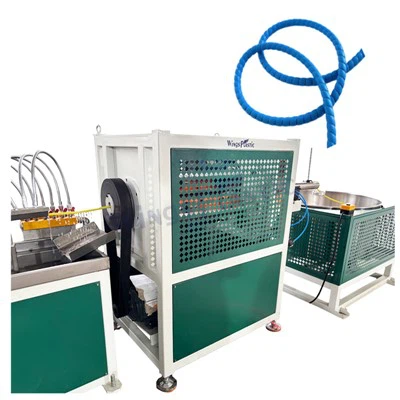
Operating a Plastic Corrugated Pipe Machine safely is a combination of pre – operation checks, using the right PPE, following safe operation procedures, regular maintenance, proper training, and emergency preparedness. By taking these steps, you can protect your workers, your machine, and your business from potential hazards.
PVC Pipe Machine If you’re in the market for a high – quality Plastic Corrugated Pipe Machine or need more information on safety procedures, feel free to reach out to us. We’re here to help you make the best choice for your business and ensure that you can operate the machine safely and efficiently.
References
- Manufacturer’s Manuals for Plastic Corrugated Pipe Machines
- Industry Safety Guidelines for Plastic Processing Equipment
- Occupational Safety and Health Administration (OSHA) Standards for Machinery Operation
Qingdao Wings Plastic Technology Co., Ltd.
As one of the most experienced plastic corrugated pipe machine manufacturers and suppliers in China, we also support customized service. Please feel free to buy durable plastic corrugated pipe machine made in China here from our factory. For price consultation, contact us.
Address: C02 Of Anshengyi Road, No.2 Fuan Industry Zone,Jiaodong Town, Jiaozhou City, Qingdao City, Shandong Province,China
E-mail: kelly@wingsplastic.com
WebSite: https://www.wingsextruder.com/
