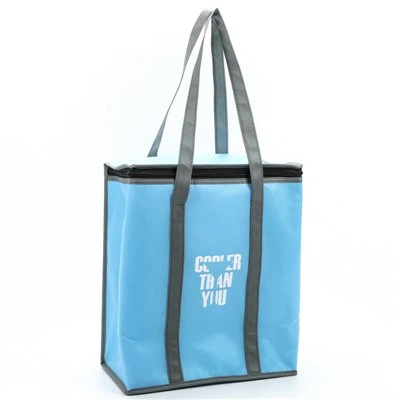
Laminated bags have become a popular choice in the packaging industry due to their versatility and durability. As a supplier of laminated bags, I often encounter questions from customers about their resistance to tearing. In this blog post, I will delve into the factors that affect the tear resistance of laminated bags, explore the various types of laminated bags and their tear-resistant capabilities, and discuss real-world applications where tear resistance is crucial. Laminated Bag
Understanding the Basics of Laminated Bags
Laminated bags are created by bonding together two or more layers of materials. These materials can include plastic films, papers, or foils, each chosen for its specific properties. The lamination process enhances the bag’s strength, moisture resistance, and visual appeal. The most common types of lamination methods are extrusion lamination, dry lamination, and solventless lamination.
- Extrusion Lamination: This process involves melting a plastic resin and extruding it between two substrates. The heat and pressure cause the resin to bond with the substrates, creating a strong and durable laminate.
- Dry Lamination: In dry lamination, an adhesive is applied to one substrate, and then the two substrates are pressed together. The adhesive is dried using heat or air, forming a bond between the layers.
- Solventless Lamination: Similar to dry lamination, but without the use of solvents in the adhesive. This method is more environmentally friendly and can produce high-quality laminates.
Factors Affecting Tear Resistance
The tear resistance of laminated bags is influenced by several factors, including the type of materials used, the thickness of the layers, and the lamination process itself.
- Material Selection: Different materials have different tear-resistant properties. For example, polyethylene (PE) is a commonly used plastic material in laminated bags. High-density polyethylene (HDPE) is more rigid and has better tear resistance compared to low-density polyethylene (LDPE). Polypropylene (PP) is another popular choice, known for its high strength and excellent tear resistance. Additionally, materials like nylon and polyester are often used in high-performance laminated bags due to their superior strength and resistance to tearing.
- Layer Thickness: The thickness of each layer in the laminate can significantly impact tear resistance. Generally, thicker layers provide more strength and are more resistant to tearing. However, increasing the thickness also increases the cost and weight of the bag. Therefore, it is essential to find the right balance between thickness and tear resistance based on the specific application.
- Lamination Process: The quality of the lamination process can also affect tear resistance. A well-executed lamination ensures a strong bond between the layers, reducing the likelihood of delamination and improving tear resistance. Poor lamination can result in weak spots where the layers may separate, making the bag more prone to tearing.
Types of Laminated Bags and Their Tear Resistance
There are several types of laminated bags available in the market, each with its own tear-resistant characteristics.
- Stand-up Pouches: Stand-up pouches are a popular choice for packaging various products, including food, beverages, and personal care items. They are typically made from a combination of plastic films and may have a laminated structure. Stand-up pouches can be designed to have high tear resistance, especially when using materials like nylon or polyester in the laminate. The gusseted bottom of stand-up pouches provides additional strength and stability, making them less likely to tear under normal handling.
- Flat Bags: Flat bags are the simplest type of laminated bags and are commonly used for packaging lightweight items such as clothing, stationery, and small parts. They can be made from a single layer of laminated material or multiple layers for added strength. The tear resistance of flat bags depends on the materials used and the thickness of the laminate. Thicker laminates and materials with high tear strength, such as HDPE or PP, are preferred for applications where tear resistance is crucial.
- Zipper Bags: Zipper bags are convenient for repeated use and are often used for storing food, electronics, and other small items. The zipper mechanism adds an extra layer of complexity to the bag’s structure, but modern laminated zipper bags are designed to have good tear resistance. The lamination process ensures that the zipper is securely attached to the bag, preventing it from tearing away easily.
Real-World Applications and Tear Resistance Requirements
In different industries, the tear resistance requirements for laminated bags vary depending on the nature of the products being packaged and the handling conditions.
- Food Industry: In the food industry, laminated bags are used to package a wide range of products, from dry goods like cereals and snacks to perishable items like meat and cheese. Tear resistance is essential to ensure that the bags remain intact during transportation and storage, protecting the food from contamination and damage. For example, bags used for packaging frozen foods need to be able to withstand the stress of freezing and thawing cycles without tearing.
- Pharmaceutical Industry: Pharmaceutical products require high-quality packaging to maintain their integrity and safety. Laminated bags are often used to package medications, medical devices, and pharmaceutical supplies. Tear resistance is crucial to prevent the bags from being accidentally torn, which could expose the contents to the environment and compromise their quality.
- Industrial Applications: In industrial settings, laminated bags are used for packaging heavy-duty items such as hardware, chemicals, and automotive parts. These bags need to be able to withstand rough handling, abrasion, and punctures. High tear-resistant laminated bags made from materials like nylon or polyester are commonly used in these applications.
Testing Tear Resistance
To ensure that our laminated bags meet the required tear resistance standards, we conduct various tests during the manufacturing process.
- Elmendorf Tear Test: The Elmendorf tear test is a widely used method for measuring the tear resistance of flexible materials. In this test, a single tear is initiated in the material, and the force required to propagate the tear is measured. The higher the force, the better the tear resistance of the material.
- Trouser Tear Test: The trouser tear test involves cutting a specimen in the shape of a trouser and pulling the two legs of the specimen apart. The force required to tear the specimen is measured, providing an indication of the material’s tear resistance.
Conclusion

In conclusion, laminated bags can be highly resistant to tearing, depending on the materials used, the thickness of the layers, and the lamination process. By carefully selecting the appropriate materials and optimizing the manufacturing process, we can produce laminated bags that meet the specific tear resistance requirements of different industries.
RPET Laminated Bag If you are in the market for high-quality laminated bags with excellent tear resistance, I encourage you to reach out to us to discuss your specific needs. Our team of experts is dedicated to providing customized packaging solutions that meet your requirements and exceed your expectations.
References
- "Packaging Materials and Processes" by Wallace H. Brown
- "Handbook of Plastic Films" by Christopher R. Boening
- "Testing Methods for Flexible Packaging Materials" by the Flexible Packaging Association
Jiade (Wenzhou) Daily Necessities Co., Ltd.
As one of the most professional laminated bag manufacturers and suppliers in China, we’re featured by quality products and good price. Please rest assured to buy bulk discount laminated bag from our factory. We also accept customized orders.
Address: Building2,NO.1299,keji Road, Longgang City,Wenzhou City,Zhejiang Province,China.
E-mail: lhf@lianhaibag.com
WebSite: https://www.jiadebag.com/
