Hey there! I’m an aramid pulp supplier, and today I wanna chat about one super important property of aramid pulp: thermal conductivity. Aramid Pulp
So, first things first, what the heck is thermal conductivity? In simple terms, it’s how well a material can transfer heat. If a material has high thermal conductivity, it can move heat really quickly from one part to another. On the flip side, a material with low thermal conductivity is good at keeping heat in or blocking heat from getting through.
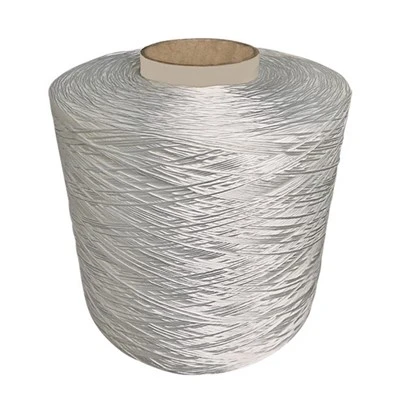
Now, let’s dig into aramid pulp. Aramid pulp is a kind of fibrous material that’s made from aromatic polyamides. It’s known for being incredibly strong, tough, and heat – resistant. But when it comes to thermal conductivity, it has some really interesting characteristics.
Aramid pulp generally has a relatively low thermal conductivity. That means it’s not the best at transferring heat, and that’s actually a huge advantage in a lot of applications. Think about it this way: in industries where you need to insulate against heat, like in the aerospace or automotive sectors, having a material that doesn’t let heat pass through easily is a game – changer.
In the aerospace industry, for example, aramid pulp is used in various components. The low thermal conductivity helps in protecting sensitive electronic equipment from the extreme heat generated during flight. Planes can experience really high temperatures, especially when they’re flying at high speeds or at high altitudes. By using aramid pulp as an insulator, we can make sure that the electronics inside the plane stay at a safe operating temperature.
In the automotive world, it’s also a star player. Car engines get really hot, and there are a lot of parts around the engine that need to be shielded from that heat. Aramid pulp can be used in gaskets, seals, and insulation materials. Its low thermal conductivity keeps the heat from spreading to other parts of the car, which can prevent damage to things like wiring and plastic components.
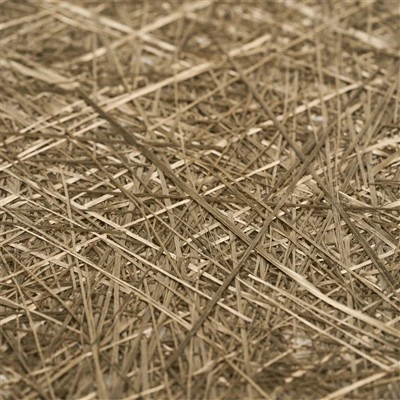
But why does aramid pulp have low thermal conductivity? Well, a big part of it has to do with its structure. Aramid fibers are long and twisty, and they form a kind of a maze – like structure. When heat tries to move through this structure, it has to bounce around between the fibers. This makes it much harder for the heat to travel in a straight line or quickly, which results in a lower thermal conductivity.
Another factor is the chemical nature of aramid. The chemical bonds in aramid are strong and stable. Heat energy usually travels through the vibration of atoms and molecules in a material. In aramid pulp, these strong bonds don’t vibrate as easily as some other materials, so they don’t transfer heat as effectively.
Now, let’s talk about how we measure the thermal conductivity of aramid pulp. There are a few different methods, but one of the most common is the guarded hot plate method. In this method, you put a sample of aramid pulp between two plates. One plate is heated, and the other is cooled. By measuring the temperature difference between the two plates and the amount of heat that flows through the sample, we can calculate the thermal conductivity.
The value of thermal conductivity for aramid pulp can vary depending on a few things. The density of the pulp is one important factor. Higher – density aramid pulp usually has a slightly higher thermal conductivity because the fibers are packed closer together, which makes it a bit easier for heat to transfer. The orientation of the fibers also matters. If the fibers are aligned in a certain direction, heat might be able to travel more easily along that direction.
As a supplier, I get a lot of questions from customers about the thermal conductivity of aramid pulp. They wanna know if it’s suitable for their specific application. And let me tell you, it’s a pretty versatile material. Whether you’re looking for something to insulate a building, protect a piece of equipment from heat, or even in some high – performance sports gear, aramid pulp with its low thermal conductivity can be a great choice.
For instance, in the construction industry, aramid pulp can be added to insulation materials to improve their heat – blocking capabilities. It can help keep buildings cooler in the summer and warmer in the winter, which is not only good for comfort but also for energy efficiency.
In high – performance sports gear, like racing suits, aramid pulp can be used because it can protect the athlete from the heat generated by the friction during high – speed movement. It’s lightweight and flexible, which is important for the range of motion of the athlete, while still providing that much – needed thermal insulation.
If you’re in the market for aramid pulp and you have questions about its thermal conductivity or any other properties, I’m here to help. Every project is different, and I can work with you to find the right type of aramid pulp for your needs. Whether you need a high – density pulp for a more demanding application or a lower – density one for something more lightweight, we can figure it out together.
So, if you’re thinking about using aramid pulp in your next project, don’t hesitate to reach out. We can have a chat about your requirements, and I can provide you with samples so you can test and see for yourself how well it performs. It’s important to me that my customers are happy and that they get the best product for their money.
Let’s work together to make your project a success! If you’ve got any questions or are interested in purchasing aramid pulp, just drop me a message. We can discuss all the details, from the thermal conductivity to the quantity you need and the price. I’m looking forward to hearing from you and helping you find the perfect aramid pulp solution.
Mica Tape References:
- "Handbook of Advanced Fibers"
- "Thermal Properties of Polymer Composites"
- Industry research reports on aramid materials
Zhejiang Nexus Specialty Fiber Co., Ltd.
Zhejiang Nexus Specialty Fiber Co., Ltd. is one of the most professional aramid pulp manufacturers and suppliers in China, featured by quality products and good price. Please rest assured to buy bulk customized aramid pulp made in China here from our factory. If you have any enquiry about quotation, please feel free to email us.
Address: Room 1115, Block 1, Tai Hu Shou Zuo, No.1969, Chuangye Avenue, 313000, Huzhou, Zhejiang, China
E-mail: alex@shnexus.com.cn
WebSite: https://www.nexushifiber.com/
