Hey guys, it’s [Your Name] here from the AC supply team—today we’re talking about something that’s super important, especially for anyone using an AC unit: safety precautions. You might think “ACs are just cold air machines, how risky can they be?” But trust me, I’ve seen way too many issues over the years that people totally overlook, and most of ‘em are preventable. As someone who’s been selling ACs for nearly a decade now, I’ve picked up a ton of hands-on tips that aren’t just random—they’re backed by HVAC safety standards, too. Let’s dive into what you actually need to know, no fancy jargon, just real talk. Air Conditioning Unit

First off, before we even get to daily use, there’s pre-installation safety that you cannot skip. A lot of people try to cut corners here, especially when they’re setting up a window unit themselves, but that’s where so many problems start. Let’s start with the power stuff. I’ve had customers who cram an AC into an old outlet that’s only rated for 110V when their unit needs 220V, and that’s a fire waiting to happen. Here’s the rule: always check the unit’s manual for its required voltage and amperage. If your home’s wiring isn’t up to snuff? Call a licensed electrician, don’t mess with it. I once had a guy who tried to splice a random cord to his window AC, and within 10 minutes, the cord melted so bad it singed his window frame. Not worth the $50 he tried to save on a pro electrician. Also, never use an extension cord with a central AC or a large window unit. Those things pull a lot of power, and extension cords (especially the cheap ones) can overheat. If you have to reach an outlet that’s too far, get a licensed electrician to add a new one—way safer than risking a short circuit.
Then there’s the installation location. For window units, make sure it’s level—if it’s tilting too far inward, water from the condensation pan can leak into your walls or floor, and if it tilts outward too much, the unit might shift and fall out of the window. I’ve heard stories of units crashing down on patios, cars, even people’s toes—total mess, and avoidable with a $10 level tool. For split-system ACs (the ones with the outdoor unit mounted on the side of your house), never install it too close to a tree that overhangs it. Leaves and branches can get sucked into the compressor, which makes the unit work way harder, raises your energy bill, and can cause mechanical damage. Also, keep the outdoor unit at least 18 inches away from any walls, fences, or debris—needs air flow to cool itself down, otherwise it’ll overheat and shut off randomly, or even burn out parts prematurely. Oh, and if you’re lifting a heavy unit (window units over 50 lbs, split outdoor units), don’t do it alone. Grab a friend or rent a dolly—back injuries are way more common than you think, and a broken AC unit is way easier to fix than a herniated disc.
Now, daily use safety. This is the stuff you can do every week, no pro needed, that keeps you and your AC safe. First, regular filter changes. I can’t stress this enough—dirty filters make the unit work 20-30% harder, right? That raises fire risk (because the motor is working overtime) and also blows dust, mold, and allergens into your air. What’s the rule? For most residential units, change or clean the filter every 1-3 months, depending on how often you use it and if you have pets. I always tell customers to mark their calendar—if you have a cat that sheds, change it every 4 weeks, not 12. And when you’re handling the filter, make sure the unit is turned off and unplugged if it’s a window unit, or flipped to “off” on the thermostat for a central unit. No one wants a finger caught in a fan blade, yikes.
Next, keep the area around the indoor and outdoor units clear. For indoor units (like the air handler for central ACs), don’t stack boxes, clothes, or furniture within 2 feet of it. That blocks air flow, makes the unit work too hard, and can cause the evaporator coil to freeze up—if that happens, water can drip and damage your walls or cause mold. For outdoor units, that means no piling up lawn equipment, firewood, or kids’ toys around it. I once had a customer whose kid left a scooter by the outdoor unit; it fell over and damaged the fan, and he had to pay $800 for a replacement. Small mistakes, big costs. Also, never put anything flammable near the outdoor unit—like a gas can, paint cans, or even a grill. The compressor gets hot during use, and if something flammable is too close, it could ignite. That’s a big one I don’t see enough people talk about.
Then there’s thermostat safety. A lot of people keep their AC cranked way too low when it’s hot, but that’s not just bad for your electricity bill—it can also cause the unit to run nonstop, which wears it out faster and increases the chance of a mechanical failure. The EPA recommends keeping your thermostat at 78°F (25°C) during the day, and a little higher at night when you’re asleep. Also, if you’re going out of town for a few days, don’t turn the AC completely off—set it to around 85°F (29°C) if it’s hot, otherwise moisture can build up in the ducts and cause mold. Wait, one more thing: never stick your hand into the fan grille (indoor or outdoor) while the unit’s running. Even if it’s on low, that fan blade spins fast, and it can cut you badly. If you need to clean the grille, unplug the unit first, then wipe it down with a soft cloth—no sticking fingers or tools in there.
Now, maintenance stuff—this is where a lot of people wait too long, and end up with expensive repairs or safety hazards. First, get a professional inspection once a year, ideally before the start of cooling season. I can’t recommend this enough. A tech will check for things like frayed wires, refrigerant leaks, and loose parts that you can’t see. Refrigerant leaks are a big deal—they’re not just bad for the environment, they can cause the unit to overheat, which leads to motor burnouts. Also, if you have a central AC, a tech will clean the evaporator and condenser coils, which keeps the unit efficient and safe. I once had a customer who skipped annual maintenance for 3 years; his unit had a refrigerant leak that caused the motor to overheat and catch fire. Thank goodness he was home and caught it early, but it still cost him $2,000 in repairs and a new unit. That’s way more than the $150 annual maintenance call would’ve cost.
Also, if you notice any weird smells or noises, don’t ignore them. A burning smell? That could be frayed wires or a overheating motor. A hissing noise? That’s probably a refrigerant leak. A rattling noise? Could be loose parts or debris in the fan. All of these are red flags, and you should turn the unit off immediately and call a pro. Don’t try to fix it yourself—especially with refrigerant, which is a regulated substance in most places, and messing with it can be illegal and dangerous. I’ve had customers try to top off refrigerant themselves, and they ended up spilling it on their skin (it can cause frostbite) and even damaging the compressor. Save yourself the trouble—call the pros.
Wait, what about air quality and safety? I know this is part of it, too. If you have a window unit, make sure the exhaust hose (for portable units) is properly attached. A lot of people leave it loose, which lets hot air back into the room, makes the unit work harder, and can cause carbon monoxide issues if the exhaust is directed into a closed garage. Wait, no—actually, portable ACs’ exhaust should always go to the outside, not into an interior space. If you run a portable unit without venting it, it’ll just warm up the room more, and any emissions from the unit (even small ones) can build up. Also, if you use a window unit with a water collection pan (for dehumidifying), empty it regularly. If you leave water sitting in the pan, it can grow mold or bacteria, which gets blown into your air when the unit runs. That’s not just a safety thing for your lungs, it’s also bad for the unit itself—clogged pans can cause water leaks.
Now, let’s talk about some common myths I hear as a supplier. A lot of people say “turning your AC off and on all day saves energy and is safer” — nope, that’s the opposite. Every time you turn the unit on, it uses a surge of power, which is actually harder on the motor than running it consistently. Also, constant cycling can cause wear and tear, leading to more breakdowns. Another myth: “you can clean the coils yourself easily” — yeah, but if you don’t know what you’re doing, you can bend the fins on the coil, which reduces air flow and makes the unit less efficient. It’s better to let a pro do coil cleaning once a year, unless you know what you’re doing.
Now, a quick note for renters, too—this goes for you guys. If you’re installing a window unit, make sure you’re not modifying the window or wall in a way that violates your lease. A lot of landlords don’t allow permanent modifications, so using a window mount kit that’s designed for the unit is important. Also, make sure the unit is properly secured so it doesn’t fall out, which as I mentioned before, is a huge safety hazard for anyone below. And if you notice any issues with the AC (weird smells, noises, leaks), tell your landlord immediately—don’t wait, because that could be a fire or water damage risk.
Okay, let’s wrap this up. Safety with AC units isn’t about being paranoid—it’s about being proactive. Small steps like changing your filter every month, getting annual inspections, and keeping the area around the unit clear add up to keeping your home safe, your unit running long, and your energy bills low. As someone who’s been selling ACs for years, I’ve seen first-hand what happens when people skip these steps, and I never want any of you to go through that hassle.
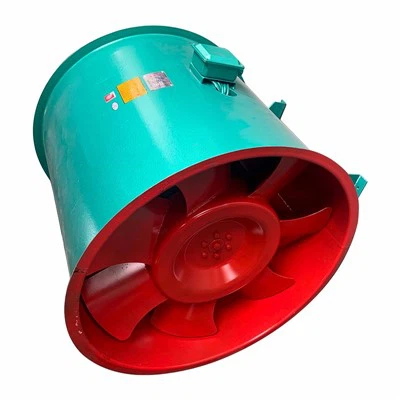
If you’re in the market for a new AC unit, or have questions about safety, installation, or maintenance, our team is here to help. We’ve got a range of units for every space—window, split, portable—and we can walk you through the right precautions for your specific setup. Don’t hesitate to reach out to our team to chat about your needs and get guidance that’s tailored to you.
Tuyere References:
- U.S. Department of Energy. (2023). “Central Air Conditioner Safety and Maintenance Tips.”
- Environmental Protection Agency. (2022). “HVAC System Safety Guidelines for Residential Units.”
- Air Conditioning Contractors of America. (2023). “Pre-Installation Safety Standards for Residential AC Systems.”
- Occupational Safety and Health Administration. (2022). “Workplace HVAC Safety Protocols for Equipment Handling and Maintenance.”
Jiangsu Hengyu Fire Protection Technology Co., Ltd.
We’re well-known as one of the most experienced air conditioning unit manufacturers in China, also support customized service. With abundant experience, we warmly welcome you to buy bulk discount air conditioning unit from our factory. If you have any enquiry about quotation, please feel free to email us.
Address: Jiangsu Hengyu Fire Protection Technology Co., Ltd., No. 56, Xinyi Road, Chengbei Industrial Park, Jingjiang City, Jiangsu Province
E-mail: Jskyxfkj@163.com
WebSite: https://www.cehengyu.com/
