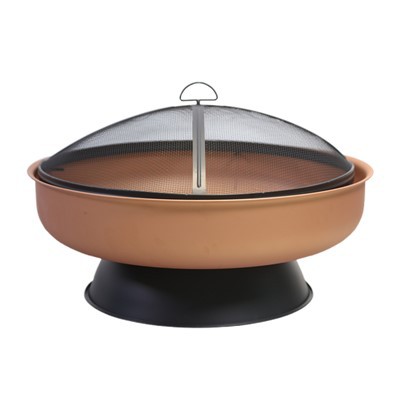
As a supplier of steel fire pits, I’ve encountered numerous inquiries from customers about measuring the heat intensity of a steel fire pit. This topic is crucial for both consumers and suppliers as it directly impacts the user experience and the performance evaluation of the product. In this blog, I’ll share some professional insights and practical methods on how to measure the heat intensity of a steel fire pit. Steel Fire Pit
Understanding the Importance of Measuring Heat Intensity
Before delving into the measurement methods, it’s essential to understand why measuring the heat intensity of a steel fire pit is so important. For consumers, the heat intensity determines how comfortable they will feel when using the fire pit. A fire pit with insufficient heat may not provide enough warmth, especially in cold weather, while one with excessive heat can be uncomfortable or even pose a safety risk.
From a supplier’s perspective, accurate measurement of heat intensity helps us ensure the quality and performance of our products. It allows us to optimize the design and manufacturing process, making our fire pits more competitive in the market. Moreover, providing customers with reliable heat intensity data can enhance their trust in our brand and products.
Factors Affecting Heat Intensity
Several factors can influence the heat intensity of a steel fire pit. Understanding these factors is the first step in measuring heat intensity accurately.
1. Fuel Type
The type of fuel used in the fire pit significantly affects the heat output. Different fuels have different calorific values, which determine the amount of heat they can release when burned. For example, wood typically has a lower calorific value compared to propane or natural gas. Wood fires also tend to produce more variable heat output due to differences in wood density, moisture content, and burning conditions.
2. Fire Pit Design
The design of the fire pit plays a crucial role in heat distribution and intensity. Factors such as the size and shape of the fire pit, the presence of vents or air intakes, and the material thickness can all impact how efficiently the fire burns and how much heat is radiated. A well – designed fire pit will have proper airflow to ensure complete combustion, resulting in higher heat output.
3. Environmental Conditions
The surrounding environment can also affect the heat intensity of a fire pit. Wind can either enhance or reduce the heat output. A gentle breeze can provide additional oxygen to the fire, increasing its intensity, but strong winds can blow the flames and heat away, reducing the effective heat felt by the users. Temperature and humidity in the environment can also influence the burning process and heat transfer.
Methods for Measuring Heat Intensity
1. Using a Thermometer
One of the simplest and most common methods for measuring the heat intensity of a steel fire pit is using a thermometer. There are different types of thermometers available, such as infrared thermometers and thermocouples.
- Infrared Thermometers: These thermometers work by measuring the infrared radiation emitted by an object. They are non – contact, which means you can measure the temperature of the fire pit or the surrounding air without having to touch the hot surface. To use an infrared thermometer, point it at the area you want to measure, and it will display the temperature reading. However, it’s important to note that infrared thermometers measure the surface temperature, which may not accurately represent the overall heat intensity experienced by the users.
- Thermocouples: Thermocouples are more accurate for measuring the temperature inside the fire pit. They consist of two different metals joined together at one end. When there is a temperature difference between the junction and the other end, a voltage is generated, which can be used to measure the temperature. Thermocouples can be placed inside the fire pit to measure the actual temperature of the fire and the surrounding air.
2. Heat Flux Sensors
Heat flux sensors are more advanced tools for measuring heat intensity. They measure the rate of heat transfer per unit area. By placing a heat flux sensor at a certain distance from the fire pit, you can measure the amount of heat energy passing through a given area. This provides a more accurate measure of the heat intensity experienced by the users. Heat flux sensors are often used in research and industrial applications, but they can also be used by fire pit suppliers to evaluate the performance of their products.
3. Calculating Heat Output
Another way to measure the heat intensity is by calculating the heat output of the fire pit. This can be done by knowing the fuel consumption rate and the calorific value of the fuel. For example, if you are using propane as fuel, you can measure the flow rate of propane and multiply it by the calorific value of propane to get the heat output in BTUs (British Thermal Units) per hour.
Practical Tips for Measuring Heat Intensity
- Choose the Right Location: When measuring the heat intensity, it’s important to choose a location that is representative of the typical usage scenario. Avoid areas with strong winds or direct sunlight, as these can affect the measurement results.
- Take Multiple Readings: To ensure accuracy, take multiple readings at different points around the fire pit and at different times during the burning process. This will give you a more comprehensive understanding of the heat distribution and intensity.
- Record and Analyze Data: Keep a record of all the measurement data, including the temperature readings, heat flux values, and fuel consumption rates. Analyze the data to identify any patterns or trends, which can help you improve the design and performance of the fire pit.
Conclusion

Measuring the heat intensity of a steel fire pit is a complex but essential task for both consumers and suppliers. By understanding the factors that affect heat intensity and using the appropriate measurement methods, we can ensure that our fire pits provide the right amount of heat for a comfortable and safe user experience.
Steel Fire Pit If you’re interested in our steel fire pits or have any questions about heat intensity measurement, we’d love to hear from you. Contact us to discuss your specific needs and explore how our products can meet your requirements.
References
- Incropera, F. P., & DeWitt, D. P. (2002). Fundamentals of Heat and Mass Transfer. Wiley.
- Holman, J. P. (2009). Heat Transfer. McGraw – Hill.
Huzhou Blue Carp Co., Ltd.
With abundant experience, we are one of the most professional steel fire pit manufacturers in China. Please rest assured to wholesale cheap steel fire pit for sale here from our factory. If you have any enquiry about custom service, please feel free to email us.
Address: Longxi Subdistrict, Huzhou South Taihu New Area, Huzhou City, Zhejiang Province, China
E-mail: tonycheung@bluecarpbbq.com
WebSite: https://www.bluecarpbbq.com/
