In the realm of filtration technology, understanding the differences between ultrafiltration and microfiltration membranes is crucial for making informed decisions in various industrial and domestic applications. As a supplier of ultrafiltration membranes, I’ve witnessed firsthand the impact these technologies have on diverse sectors, from water treatment to food and beverage production. In this blog, I’ll delve into the distinct characteristics, applications, and benefits of ultrafiltration and microfiltration membranes, shedding light on why choosing the right membrane is essential for optimal performance. Ultrafiltration Membranes

Fundamental Characteristics of Membranes
To grasp the differences between ultrafiltration and microfiltration membranes, we must first understand their fundamental characteristics. The most significant factor that sets them apart is the pore size. Microfiltration membranes typically have pore sizes ranging from 0.1 to 10 micrometers. These relatively large pores allow for the retention of larger particles such as sediment, algae, protozoa, and some bacteria. On the other hand, ultrafiltration membranes have much smaller pore sizes, generally between 0.001 to 0.1 micrometers. This smaller pore size enables ultrafiltration membranes to remove smaller contaminants, including viruses, colloids, and macromolecules such as proteins and polymers.
Another critical characteristic is the molecular weight cut – off (MWCO). For ultrafiltration membranes, the MWCO is a key specification. It represents the molecular weight of the smallest molecule that is 90% retained by the membrane. The MWCO of ultrafiltration membranes usually ranges from 1,000 to 1,000,000 Daltons, allowing for precise separation based on the size and molecular weight of the solutes. Microfiltration membranes do not have a well – defined MWCO since they primarily separate based on the physical size of the particles rather than molecular weight.
Separation Mechanisms
The separation mechanisms of ultrafiltration and microfiltration membranes also differ. Microfiltration mainly operates on the principle of surface sieving. When a fluid passes through the microfiltration membrane, particles larger than the membrane pores are retained on the surface of the membrane, while smaller particles and the solvent pass through. This process is relatively simple and is effective in removing large, visible contaminants.
Ultrafiltration, in addition to surface sieving, also involves a certain degree of adsorption and diffusion – based separation. The smaller pores of ultrafiltration membranes can trap not only particles but also solutes based on their affinity with the membrane material. Some small molecules may adsorb onto the membrane surface or within the membrane pores, while others pass through based on their diffusion rates. This dual – mechanism approach allows ultrafiltration to achieve a higher level of purification compared to microfiltration.
Applications
The differences in pore size and separation mechanisms lead to distinct applications for ultrafiltration and microfiltration membranes.
Microfiltration Applications
Microfiltration is widely used in applications where the primary goal is to remove large particles and microorganisms. In the water treatment industry, it is often employed as a pre – treatment step before more advanced filtration processes. It can effectively remove sediment, sand, and large bacteria from raw water, protecting downstream equipment such as reverse osmosis membranes.
In the food and beverage industry, microfiltration is used for clarifying liquids. For example, it can remove yeast cells from beer during the brewing process, or clarify fruit juices by removing pulp and other solid particles. In the pharmaceutical industry, microfiltration is used to sterilize solutions by removing bacteria and other microorganisms, while allowing the passage of the drug molecules.
Ultrafiltration Applications
Ultrafiltration has a broader range of applications, especially in cases where a higher level of purification is required. In water treatment, ultrafiltration can produce high – quality drinking water by removing viruses, bacteria, and most organic matter. It is also used in the treatment of industrial wastewater, where it can recover valuable components and recycle water.
In the dairy industry, ultrafiltration is used to concentrate milk proteins, produce cheese whey powder, and standardize milk composition. In the biotechnology and pharmaceutical industries, ultrafiltration plays a vital role in the purification and concentration of biomolecules such as proteins, enzymes, and antibodies.
Performance Comparison
When comparing the performance of ultrafiltration and microfiltration membranes, several factors need to be considered.
Filtration Efficiency
Ultrafiltration membranes generally offer higher filtration efficiency in terms of removing small contaminants. Since they can remove particles as small as viruses and macromolecules, they provide a more comprehensive purification solution. Microfiltration membranes, while effective in removing large particles, may not be sufficient for applications where smaller contaminants need to be removed.
Flux Rate
The flux rate, which is the volume of fluid that passes through the membrane per unit area and time, is an important performance indicator. Microfiltration membranes typically have higher flux rates compared to ultrafiltration membranes. This is because the larger pore size of microfiltration membranes allows for easier fluid flow. However, the higher flux rate also means that the membrane may be more prone to fouling, as larger particles can more easily accumulate on the membrane surface.
Fouling Resistance
Fouling is a major issue in membrane filtration, as it can reduce the membrane’s performance and lifespan. Ultrafiltration membranes usually have better fouling resistance due to their smaller pore size and more complex separation mechanisms. Smaller pores reduce the likelihood of large particles blocking the membrane, and the adsorption and diffusion – based separation can prevent the formation of a dense cake layer on the membrane surface. Microfiltration membranes, on the other hand, may require more frequent cleaning and replacement due to fouling.
Selecting the Right Membrane
Choosing between ultrafiltration and microfiltration membranes depends on several factors. The nature of the feed stream, including the size and concentration of contaminants, is the primary consideration. If the feed stream contains mostly large particles such as sediment and large bacteria, microfiltration may be sufficient. However, if the feed stream also contains viruses, colloids, or macromolecules, ultrafiltration is the better choice.
The desired level of purification and the final product quality also play a crucial role. For applications where high – purity water or a highly purified product is required, ultrafiltration is often the preferred option. Cost is another factor. Microfiltration membranes are generally less expensive than ultrafiltration membranes, both in terms of upfront purchase cost and operating cost. However, in the long run, the investment in ultrafiltration membranes may be justified if it offers better performance and a longer lifespan.
Conclusion
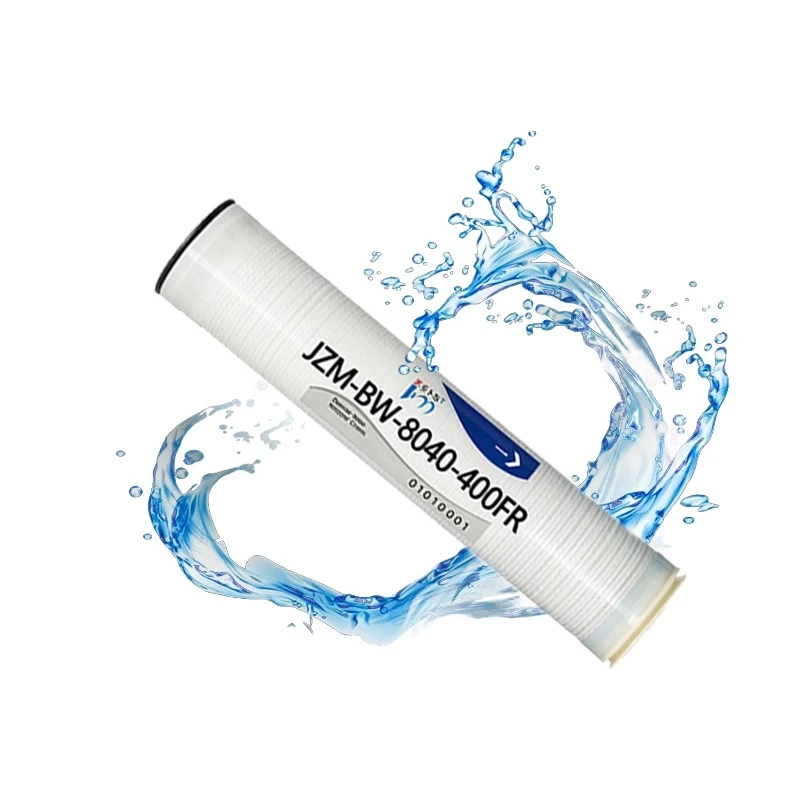
As a supplier of ultrafiltration membranes, I understand the importance of choosing the right membrane for your specific needs. Ultrafiltration and microfiltration membranes each have their unique characteristics, applications, and performance profiles. By understanding the differences between them, you can make an informed decision that will optimize your filtration process, improve product quality, and reduce operating costs.
EDI Modules If you are in the process of evaluating membrane filtration solutions for your industrial or domestic application, I invite you to reach out for a detailed consultation. Our team of experts is ready to assist you in selecting the most appropriate ultrafiltration membrane for your specific requirements. Whether you need a membrane for water treatment, food and beverage production, or biotechnology applications, we have the expertise and products to meet your needs. Contact us to start a discussion about your filtration challenges and find the best solution together.
References
- Mulder, M. (1991). Basic Principles of Membrane Technology. Kluwer Academic Publishers.
- Cheryan, M. (1998). Ultrafiltration Handbook. Technomic Publishing Company.
- Porter, M. C. (1990). Handbook of Industrial Membrane Technology. Noyes Publications.
Shandong Jinzhimo Environmental Protection Technology Co., Ltd.
As one of the most professional ultrafiltration membranes manufacturers and suppliers in China, we also support customized service. Please feel free to wholesale advanced ultrafiltration membranes in stock here from our factory. For pricelist, contact us now.
Address: Room 101, Building 9, Shangri-La, Jinlong Road, Zhaoyuan City, Yantai City, Shandong Province
E-mail: zhanglina0778@126.com
WebSite: https://www.sdjzmhb.com/
