Hey there! I’m a supplier of vertical machining centers, and today I wanna chat about the lubrication system of these awesome machines. Vertical Machining Center
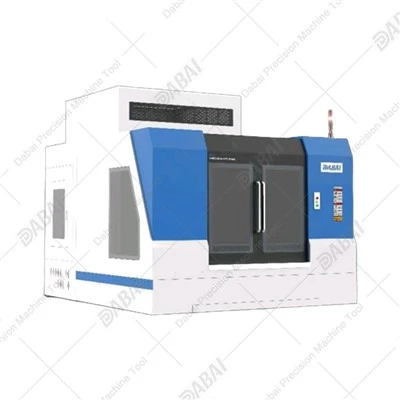
So, what exactly is the lubrication system of a vertical machining center? Well, it’s like the heart – pumping lifeblood for the machine. In simple words, the lubrication system is designed to reduce friction between moving parts, prevent wear and tear, and keep the machine running smoothly.
Let’s start with why lubrication is so important. When a vertical machining center is in operation, there are tons of moving components like ball screws, guide rails, and spindles. These parts rub against each other at high speeds and under high loads. Without proper lubrication, the friction would generate a huge amount of heat. This heat can cause thermal expansion, which messes up the precision of the machine. You don’t wanna end up with a part that’s supposed to be milled to a specific size, but comes out all wrong because the machine got too hot!
Moreover, the wear and tear caused by friction can lead to the premature failure of these components. Replacing parts of a vertical machining center is not cheap, and it also means downtime for your production. So, having a good lubrication system can save you a ton of money in the long run.
Now, let’s dig into the different types of lubrication used in vertical machining centers.
1. Oil – Based Lubrication
This is one of the most common methods. Oil has excellent lubricating properties. It can form a thin film between the moving parts, which separates them and reduces friction. For example, in the spindle of a vertical machining center, oil lubrication is often used. The spindle rotates at extremely high speeds, sometimes up to tens of thousands of revolutions per minute. Oil can handle the high – speed rotation and keep the spindle bearings cool and well – lubricated.
There are different ways to apply oil. One way is through a splash lubrication system. In this system, the oil is stored in a reservoir at the bottom of the machine. As the moving parts rotate or move, they splash the oil onto other components. It’s a simple and cost – effective method, but it might not be suitable for all parts, especially those that need a more precise and continuous supply of oil.
Another way is the forced – feed lubrication system. Here, a pump is used to deliver oil to the specific parts that need it. This system can ensure a constant and accurate amount of oil is supplied to the components, even under high – load and high – speed conditions. It’s commonly used for ball screws and guide rails, where precise lubrication is crucial for accurate movement.
2. Grease Lubrication
Grease is also widely used in vertical machining centers. Grease is basically a thick, semi – solid lubricant made by adding a thickening agent to oil. It has some advantages over oil. For one thing, it can stay in place better. When applied to a component, it doesn’t drip or run off easily, which is great for parts that are hard to reach or those in a less accessible position.
For example, the ball bearings in some small – scale moving parts of the vertical machining center are often greased. Grease can provide long – term lubrication, reducing the need for frequent re – lubrication. However, grease has its limitations. It doesn’t dissipate heat as well as oil. So, high – speed and high – heat applications might not be a good fit for grease lubrication.
Components of the Lubrication System
The lubrication system in a vertical machining center consists of several key components.
Reservoir
This is where the lubricant (either oil or grease) is stored. The size of the reservoir depends on the size and requirements of the machine. A larger vertical machining center with more moving parts and higher lubrication needs will typically have a bigger reservoir.
Pumps
As I mentioned before, pumps are used in forced – feed lubrication systems. They can be gear pumps, vane pumps, or piston pumps. The pump’s job is to transfer the lubricant from the reservoir to the components that need it. The pump needs to be reliable and able to handle the pressure and flow requirements of the lubrication system.
Filters
Filters are essential in the lubrication system. They remove contaminants such as metal particles, dust, and dirt from the lubricant. These contaminants can be generated during the machining process or can enter the system from the environment. If these particles are not filtered out, they can cause abrasion to the moving parts, reducing their lifespan.
Nozzles and Pipes
Nozzles and pipes are used to direct the lubricant to the specific parts. The design of the nozzles and pipes needs to ensure that the lubricant is distributed evenly and accurately. For example, the nozzles for lubricating the guide rails need to be positioned in a way that the oil can cover the entire contact surface.
Maintenance of the Lubrication System
Maintaining the lubrication system is crucial for the performance and longevity of the vertical machining center.
First of all, you need to regularly check the level of the lubricant in the reservoir. If the lubricant level is too low, it can lead to insufficient lubrication, which can cause problems for the machine. You should also check for any signs of leakage. A leak in the lubrication system can not only waste lubricant but also leave the components under – lubricated.
Secondly, the filters need to be replaced or cleaned regularly. Over time, the filters will get clogged with contaminants, and if they are not maintained, the flow of the lubricant will be restricted.
It’s also important to use the right type of lubricant. Different parts of the vertical machining center may require different types of lubricants with specific properties. Using the wrong lubricant can lead to poor lubrication and even damage to the components.
Conclusion
The lubrication system of a vertical machining center is a vital part of the machine. It’s responsible for keeping the machine running smoothly, reducing friction, and preventing premature wear and tear. Whether it’s oil – based lubrication or grease lubrication, each has its own advantages and is used in different applications. The components of the lubrication system, such as the reservoir, pumps, filters, nozzles, and pipes, all work together to ensure proper lubrication. And let’s not forget about maintenance. Taking good care of the lubrication system can save you a whole lot of trouble and money in the long run.

If you’re in the market for a vertical machining center, you know that having a reliable lubrication system is key. We, as a supplier, are committed to providing machines with top – notch lubrication systems. We’ve got a range of options to suit different needs and budgets. If you’re interested in learning more about our vertical machining centers or have any questions regarding the lubrication system or other aspects, feel free to reach out to us. We’d love to have a chat and help you find the perfect machine for your business.
Gantry Machining Center References
- "CNC Machining Technology Handbook"
- "Machinery Lubrication Basics"
Dabai Precision Machine Tool (Jiangsu) Co., Ltd.
As one of the most professional vertical machining center manufacturers and suppliers in China, we’re featured by quality products and good price. Please rest assured to buy advanced vertical machining center for sale here from our factory. We also accept customized orders.
Address: No. 66-1, Zhenhu North Road, Hudai Town, Binhu District, Wuxi City
E-mail: elaine@dabaicnc.com
WebSite: https://www.cnc-dabai.com/
