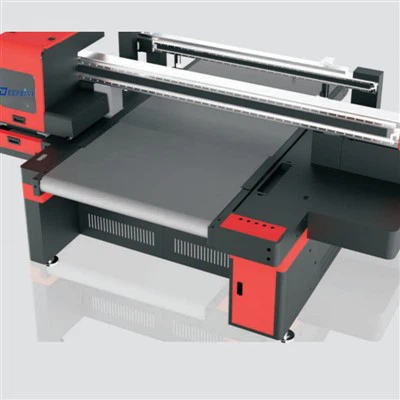
As a supplier of flatbed printers, I often encounter inquiries about the printer’s versatility, especially regarding its ability to print on plastic. This topic is not only relevant to potential buyers but also crucial for understanding the full capabilities of our flatbed printers. In this blog, I will delve into the details of whether a flatbed printer can print on plastic, the types of plastics suitable for printing, the printing process, and the benefits and challenges associated with plastic printing. Flatbed Printer
Can a Flatbed Printer Print on Plastic?
The short answer is yes, a flatbed printer can print on plastic. Flatbed printers are known for their versatility and can handle a wide range of materials, including plastics. These printers use a direct – to – substrate printing technology, which means they can print directly onto the surface of the plastic material without the need for additional transfer processes.
The key to successful plastic printing with a flatbed printer lies in the printer’s ink system and the compatibility between the ink and the plastic substrate. Our flatbed printers are equipped with advanced inkjet technology that can adhere to various types of plastics, providing high – quality and durable prints.
Types of Plastics Suitable for Printing
Not all plastics are created equal when it comes to flatbed printing. Some plastics have a smooth surface and a chemical composition that allows the ink to bond well, while others may require pre – treatment. Here are some common types of plastics that are suitable for flatbed printing:
Polyethylene Terephthalate (PET)
PET is a widely used plastic in the packaging industry. It has a smooth surface and good chemical resistance. Our flatbed printers can print high – resolution images on PET sheets, making it ideal for creating labels, signage, and promotional materials.
Acrylic
Acrylic is a popular choice for printing due to its transparency, durability, and aesthetic appeal. It can be used to create eye – catching displays, awards, and decorative items. The flatbed printer can print vivid colors on acrylic, and the prints are resistant to scratches and fading.
Polyvinyl Chloride (PVC)
PVC is a versatile plastic that comes in various forms, such as rigid sheets and flexible films. Our flatbed printers can print on both rigid and flexible PVC. Rigid PVC is often used for signage and point – of – sale displays, while flexible PVC can be used for banners and decals.
Polycarbonate
Polycarbonate is a strong and impact – resistant plastic. It is commonly used in applications where durability is required, such as machine guards and electronic device housings. Our flatbed printers can print detailed graphics on polycarbonate, providing a cost – effective way to customize these products.
The Printing Process on Plastic
Printing on plastic with a flatbed printer involves several steps to ensure high – quality results.
Surface Preparation
Before printing, the plastic surface needs to be clean and free of dust, grease, and other contaminants. In some cases, a pre – treatment process may be required to improve the ink adhesion. This can include using a primer or a corona treatment, which modifies the surface energy of the plastic to make it more receptive to the ink.
Design and Setup
The next step is to prepare the design for printing. This involves creating or importing the desired image or graphic into the printer’s software. The software allows the user to adjust the size, color, and orientation of the design. The printer settings, such as the print resolution and ink density, also need to be configured according to the type of plastic and the desired print quality.
Printing
Once the design and settings are finalized, the flatbed printer starts the printing process. The printer head moves across the plastic surface, depositing tiny droplets of ink in a precise pattern to create the image. The ink is then cured, either by air – drying or using a UV light source, depending on the type of ink used.
Post – Processing
After printing, the plastic may require some post – processing steps, such as cutting or laminating. Cutting the printed plastic into the desired shape can be done using a laser cutter or a mechanical cutter. Laminating the print can provide additional protection against scratches, UV rays, and moisture.
Benefits of Printing on Plastic with a Flatbed Printer
There are several benefits to using a flatbed printer to print on plastic.
High – Quality Prints
Flatbed printers can produce high – resolution prints with sharp details and vivid colors. This makes them suitable for creating professional – looking graphics, whether it’s for marketing materials, product labels, or decorative items.
Customization
One of the biggest advantages of flatbed printing on plastic is the ability to customize the prints. You can print unique designs, logos, and text on each piece of plastic, allowing for personalized products and marketing campaigns.
Cost – Effectiveness
For small – to – medium – sized print runs, flatbed printing on plastic can be more cost – effective than traditional printing methods. There is no need for expensive printing plates or setup costs, and the printer can quickly switch between different designs.
Versatility
As mentioned earlier, flatbed printers can print on a wide range of plastic materials, from thin films to thick sheets. This versatility allows for a variety of applications, from packaging to industrial components.
Challenges of Printing on Plastic
While there are many benefits to printing on plastic with a flatbed printer, there are also some challenges that need to be addressed.
Ink Adhesion
As different plastics have different surface properties, ensuring good ink adhesion can be a challenge. Some plastics may require pre – treatment to improve the bond between the ink and the substrate.
Environmental Factors
Environmental conditions, such as temperature and humidity, can affect the printing process. High humidity can cause the ink to dry slowly, while extreme temperatures can affect the viscosity of the ink and the performance of the printer.
Durability
The durability of the print on plastic depends on the type of ink and the plastic material. Some prints may be more prone to scratching or fading over time, especially if they are exposed to harsh environmental conditions.
Conclusion

In conclusion, a flatbed printer can indeed print on plastic, offering a versatile and cost – effective solution for a wide range of applications. With the right printer, ink, and printing process, you can achieve high – quality, customized prints on various types of plastics.
Visual Positioning Flatbed Printer If you are interested in exploring the possibilities of printing on plastic with our flatbed printers, I encourage you to reach out to us for a detailed discussion. Our team of experts can provide you with more information about our products, help you choose the right printer for your needs, and offer guidance on the printing process. We look forward to the opportunity to work with you and help you bring your plastic – printing projects to life.
References
- "Inkjet Printing Technology" by John C. Jones
- "Plastic Materials and Their Applications" by Charles A. Harper
- Industry reports on flatbed printing technology and plastic printing applications
Shenzhen Deeprint Technology Co., Ltd.
As one of the most professional flatbed printer manufacturers and suppliers in China, we’re featured by quality products and good service. Please rest assured to buy customized flatbed printer made in China here from our factory. Contact us for free sample.
Address: 6-1, Huangwu Road, Tongle Community, Baolong Street, Longgang District, Shenzhen City 518100,China.
E-mail: ellen@uvdprint.com
WebSite: https://www.uvd-print.com/
