Hey there! I’m a supplier of gas turbine components, and I’ve been in this game for a long time. Today, I wanna talk about how we design these components for high – altitude operation. It’s a pretty fascinating topic, and it’s crucial for making sure gas turbines work well in those tough high – altitude conditions. Gas Turbine Components

Let’s first understand the challenges of high – altitude operation. Up in the mountains or when an aircraft is cruising at high altitudes, the air is thinner. That means there’s less oxygen available for combustion. Also, the low air pressure can mess with the way turbines operate. The temperature in high – altitude areas can be extremely low as well, and that affects the performance and durability of the components.
So, when we design gas turbine components for high – altitudes, we start with the compressor. The compressor is like the heart of the gas turbine. It takes in air and compresses it before sending it to the combustion chamber. In high – altitude conditions, since the air is thin, we need to design the compressor to be more efficient at sucking in and compressing this low – density air.
One way we do this is by using advanced aerodynamic designs. We’ve been working on developing blade shapes that can capture more air even when the air density is low. These blades are also made to be more resistant to the effects of low air pressure. We use computational fluid dynamics (CFD) to simulate how the air flows through the compressor. This helps us test different blade designs and find the ones that work best in high – altitude conditions.
Another important aspect is the compressor’s materials. We use high – strength, lightweight materials like titanium alloys. Titanium is great because it can handle the stress and strain of high – speed rotation in the compressor, and it’s not too heavy. A lighter compressor means less overall weight for the gas turbine, which is super important for aircraft applications at high altitudes.
Moving on to the combustion chamber. The combustion process is really affected by the low oxygen levels and low air pressure at high altitudes. To ensure proper combustion, we design the combustion chamber to have a more precise fuel – air mixing system. We use injectors that can precisely control the amount of fuel being sprayed into the chamber, depending on the available oxygen.
We also optimize the shape of the combustion chamber. A well – designed chamber can help with maintaining a stable flame even in the thin air. We use ceramic liners in the combustion chamber to withstand the high temperatures generated during combustion. These liners are also designed to be more resistant to thermal cycles that can occur due to the changing temperature conditions at high altitudes.
Then there’s the turbine section. The turbine extracts energy from the hot, high – pressure gases coming out of the combustion chamber. At high altitudes, since the air is less dense, the turbine blades need to be designed to extract as much energy as possible from the lower – density gas flow.
We use 3D – printed turbine blades for high – altitude applications. 3D – printing allows us to create complex blade shapes that are optimized for low – density gas flow. These blades can also be made with internal cooling channels. Cooling is crucial because the high – temperature gases can damage the blades. The internal cooling channels help keep the blades at a safe operating temperature, even in the extreme conditions of high – altitude operation.
The material selection for the turbine blades is also key. We use superalloys that can withstand high temperatures, oxidation, and creep. Creep is a process where a material slowly deforms under high – temperature and high – stress conditions. By using superalloys, we can ensure that the turbine blades maintain their shape and performance over long periods of high – altitude operation.
We also pay a lot of attention to the overall system integration. All the components need to work together seamlessly to function properly at high altitudes. We use advanced control systems to monitor and adjust the operation of the gas turbine in real – time. These control systems can detect changes in altitude, temperature, and air pressure and make the necessary adjustments to the fuel flow, compressor speed, and turbine settings.
For example, if the turbine is climbing to a higher altitude, the control system will increase the fuel – air ratio slightly to compensate for the lower oxygen levels. It will also adjust the compressor speed to ensure that enough air is being compressed for combustion.
In addition to the technical design aspects, we also conduct a lot of testing. We test our gas turbine components in high – altitude simulation chambers here at our facility. These chambers can replicate the low air pressure, low oxygen levels, and low temperatures found at high altitudes.
We run the components through rigorous tests to check their performance and durability. This includes long – term endurance tests, where we run the components for hundreds of hours to see how they hold up under high – altitude conditions. We also do stress – testing, where we expose the components to extreme conditions to make sure they don’t fail.
Based on the test results, we make further improvements to the design. We might adjust the blade angles, change the material composition, or modify the control algorithms. This iterative design process helps us ensure that our gas turbine components are optimized for high – altitude operation.
Now, as a gas turbine components supplier, I know how important it is to deliver high – quality components for high – altitude applications. Whether you’re in the aerospace industry, running power plants in high – altitude regions, or involved in any other applications that require gas turbines at high altitudes, we’ve got you covered.
Our team of engineers and technicians is constantly working on improving our designs and manufacturing processes. We’re committed to providing you with the best – performing gas turbine components that can withstand the challenges of high – altitude operation.
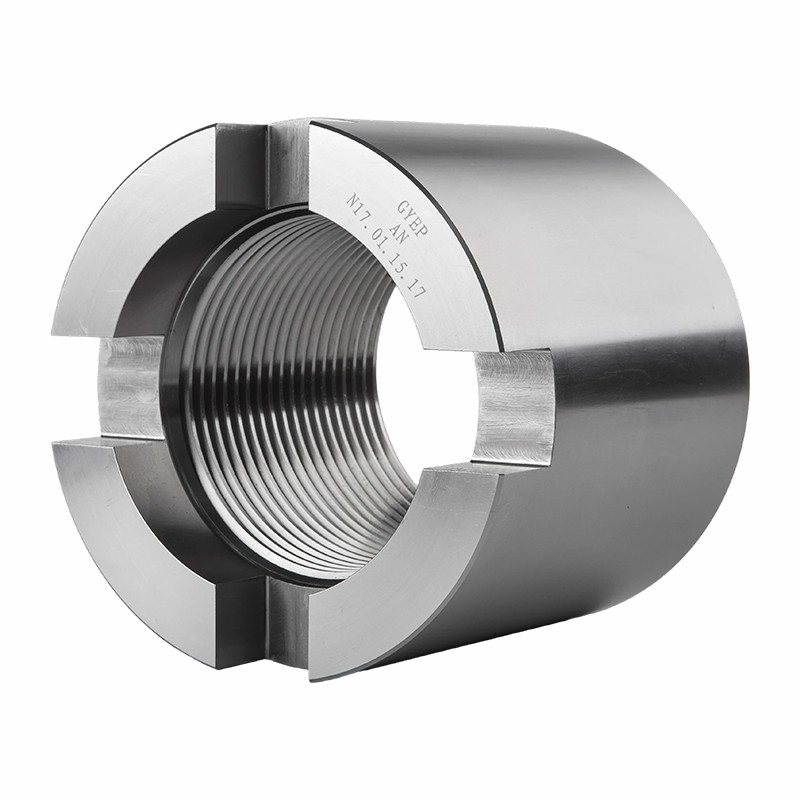
If you’re in the market for gas turbine components for high – altitude use, don’t hesitate to reach out. We’re more than happy to have a chat about your specific needs, provide you with detailed product information, and discuss how our components can fit into your projects. Let’s work together to make your high – altitude gas turbine operations more efficient and reliable.
Steam Turbine Seals References
- Smith, J. (2020). "Advanced Aerodynamics in Gas Turbine Compressors". Journal of Turbine Technology.
- Johnson, R. (2019). "Combustion Optimization for High – Altitude Gas Turbines". International Journal of Power Systems.
- Williams, M. (2021). "Turbine Blade Design and Materials for High – Altitude Applications". Materials Science Review.
Hebei Guoyuan Electric Co., Ltd.
With abundant experience, we are one of the most professional gas turbine components manufacturers in China. We warmly welcome you to buy discount gas turbine components for sale here and get pricelist from our factory. Quality products and low price are available.
Address: No. 18 Tianshan Science and Technology Industrial Park, No. 319 Xiangjiang Road, Shijiazhuang High-tech Zone, Hebei Province, China
E-mail: turbine@goineep.com
WebSite: https://www.goineep.com/
